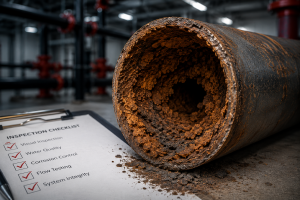
Internal pipe corrosion is one of the leading causes of premature fire sprinkler system failure. Over time, trapped oxygen, moisture, microbiologically influenced corrosion (MIC), and other environmental factors can attack the interior of sprinkler piping, creating pinhole leaks, obstructions, and accumulated corrosion byproducts that restrict water flow. The result is reduced system performance, costly repairs, unexpected downtime, water damage, and in severe cases, compromised fire protection when the system is needed most.
Corrosion is more than a maintenance issue. It is a long term risk that can significantly increase operating costs and shorten the service life of an entire fire sprinkler system. Building owners and facility managers often face recurring leaks, expensive pipe replacement projects, business interruptions, insurance claims, and ongoing inspection and maintenance challenges. As facilities age, the cost of reacting to corrosion problems often far exceeds the cost of implementing a proactive corrosion management strategy.
AGF provides a comprehensive portfolio of engineered solutions designed to help detect and reduce the conditions that contribute to internal pipe corrosion. From automatic air venting valves that remove trapped oxygen to advanced corrosion monitoring technology that provides early warning of developing issues, AGF products help contractors, facility managers, and building owners take a proactive approach to system reliability.
|
|
Compromised ReliabilityCorrosion reduced pipe wall thickness and flow capacity, increasing the risk of system failure when it matters most. |
Costly DamagePinhole leaks and burst pipes lead to water damage, business interruption, and expensive repairs. |
|
Code RequirementsNFPA 13 requires air vents to help prevent trapped air from causing corrosion in wet fire sprinkler systems. |
System DowntimeUnexpected failures can take buildings offline, interrupt tenants, and put occupants and assets at risk. |
Our corrosion solutions are engineered to work together as part of a comprehensive system strategy that helps reduce trapped air and oxygen, two of the primary contributors to internal pipe corrosion. By enabling early detection of corrosion activity before leaks develop, AGF solutions help improve long term system reliability, simplify inspection, testing, and maintenance, extend the service life of fire sprinkler systems, and lower maintenance costs while reducing the total cost of ownership.
|
|
|
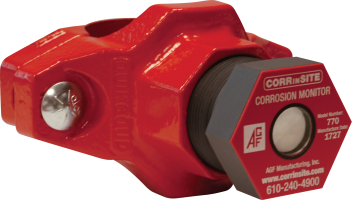
CORRinSITEContinuously monitors the internal corrosion so you can take action before problems start.
|
|
|
|
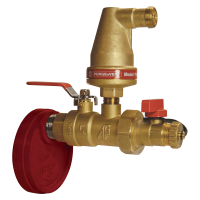
PURGEnVENTAutomatically vents trapped air that can introduce oxygen and accelerate internal pipe corrosion |
|
|
|
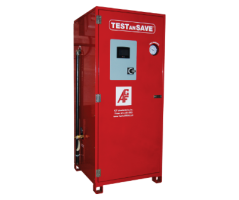
TESTanSAVERecirculates test water to eliminate the introduction of freshly oxygenated water into the system. |
|
|
|
|
|
Reliable Corrosion Monitoring Made Simple |
Ensuring Corrosion Protection Beyond Routine Maintenance in Fire Sprinkler Systems |
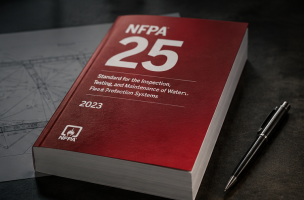
NFPA 25 in Action: Verifying System Performance Over Time |
Why a Remote Inspector’s Test Valve is Not a Good Air Vent |
LEARN MORE |
LEARN MORE |
LEARN MORE |
LEARN MORE |

 Prevent and Monitor